ChatGPT · PRACTICAL GUIDE
Use ChatGPT to compare travel options and document disruptions
Build a travel comparison around real constraints, ask what is missing, verify important details, and organize records when plans change.
Watch the original tutorial
Open the original video on YouTube ↗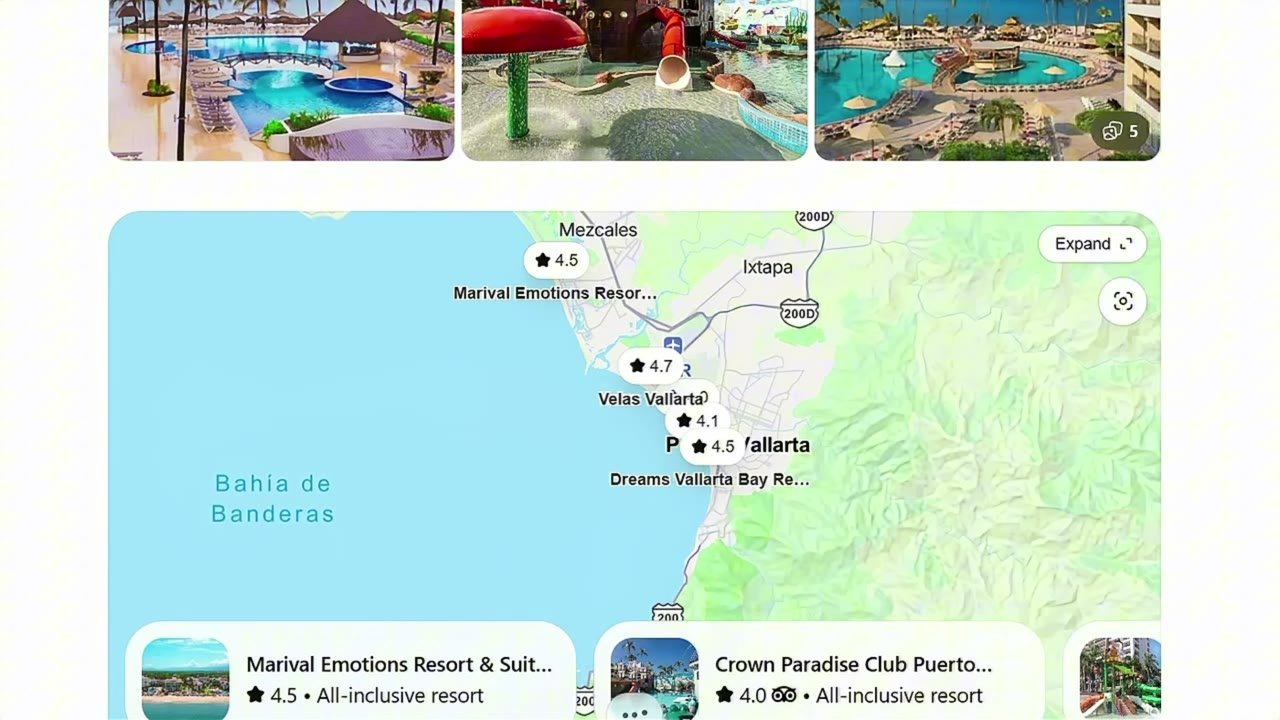
Thiago’s family-trip story shows both the value and the limits of AI planning. ChatGPT helped compare resort requirements, but the research did not initially include a category of disruption risk. When the return flight changed, the task shifted from comparing options to organizing records.
This is a workflow lesson from that experience, not a current recommendation for a resort, flight, or booking package. The useful sequence is to ask, compare, verify, and document.
What you’ll learn
- Replace broad preferences with specific requirements.
- Ask an assistant to challenge its recommendation.
- Keep verified facts separate from missing information.
- Prepare an evidence timeline when a trip is disrupted.
1. Describe the real constraints
“Family friendly” did not capture what Thiago needed when traveling with a two-year-old. His list included pool arrangements, childcare age requirements, a crib or sleeping setup, suitable food, beach access, and nighttime noise.
Write your own requirements before asking for suggestions. Separate essentials from preferences, and include dates, travelers, accessibility needs, and budget scope where relevant. Do not assume that a broad label guarantees a specific service.
2. Ask for a comparison with unknowns
Request a table that compares each option against the same criteria. Ask where the information came from and when it was checked. If the assistant cannot browse or verify a detail, it should mark that detail as unverified.
Compare [options] for [dates and travelers] against these requirements: [list]. Separate verified information, assumptions, and unanswered questions. Explain which option appears to fit best and what could make that recommendation wrong. Give me the questions to confirm directly before booking.
The video’s resort experience describes one stay. It does not establish current facilities, age rules, availability, or suitability for another family. Confirm essential requirements directly with the provider.
3. Compare the complete booking
Thiago checks flights and then compares a flight-and-hotel package with separate bookings. For your own comparison, use equivalent dates, room types, travelers, and included services. Record the actual total and terms at the time you check them.
A lower headline price may have different conditions. Keep the final booking decision tied to the provider’s current confirmation and terms, not a remembered price from an earlier AI answer.
4. Ask what the plan has overlooked
The reflection in the video is that the initial research missed potential airline disruption. Broaden the checklist before committing:
What important categories have we not checked in this plan? Identify uncertainties that could affect the trip, the official sources to consult, and the questions to ask the providers. Separate current evidence from hypothetical risks. Do not present predictions as facts.
Use the answer as a list of research tasks. Check official travel advisories, provider updates, and the terms that apply to your booking. AI cannot guarantee that a disruption will or will not occur.
5. Organize records if plans change
The video’s second workflow gathers booking confirmations, cancellation messages, screenshots, call attempts, expenses, and responses into a chronological record. Keep original files and create a separate working timeline.
Use columns for date and time, event, evidence filename, action taken, response, and unresolved question. Preserve the time zone for calls and notices. Mark uncertain times as uncertain rather than filling in a plausible value.
Ask AI to help summarize the records and identify missing attachments. Check every entry against the original before using it in a message or submission. Recording an expense does not establish that it is reimbursable.
6. Draft a clear account of what happened
Prepare a concise chronology and a list of supporting documents. State the outcome you are requesting without adding facts or promises that are absent from the records.
Use official provider and regulator sources for current procedures and applicable rules. This tutorial does not determine legal rights, compensation eligibility, or filing deadlines. The assistant’s role here is to organize your evidence so you can use the appropriate process accurately.
Common question
Can AI make the final booking or claim decision for me?
This workflow keeps that decision with you. Use the comparison and timeline to understand the situation, then verify the relevant details before acting.


